In 2024 we got a new client that wanted in on the hub architecture we promoted. An older and much larger client was making great use of it, and the two knew each other.
Starting fresh with this client, we decided to make their hub entirely SIF. Being SIF compliant offered simplification, and interoperability with other SIF-compliant vendor products. (I’ve written before about why standards make automation simpler.)
A very heavy PDF
We had just started dabbling with the AI tools coming on the market. The SIF specification was there, publicly, for anyone to adopt. It’s also a very heavy PDF: about 227 MB.
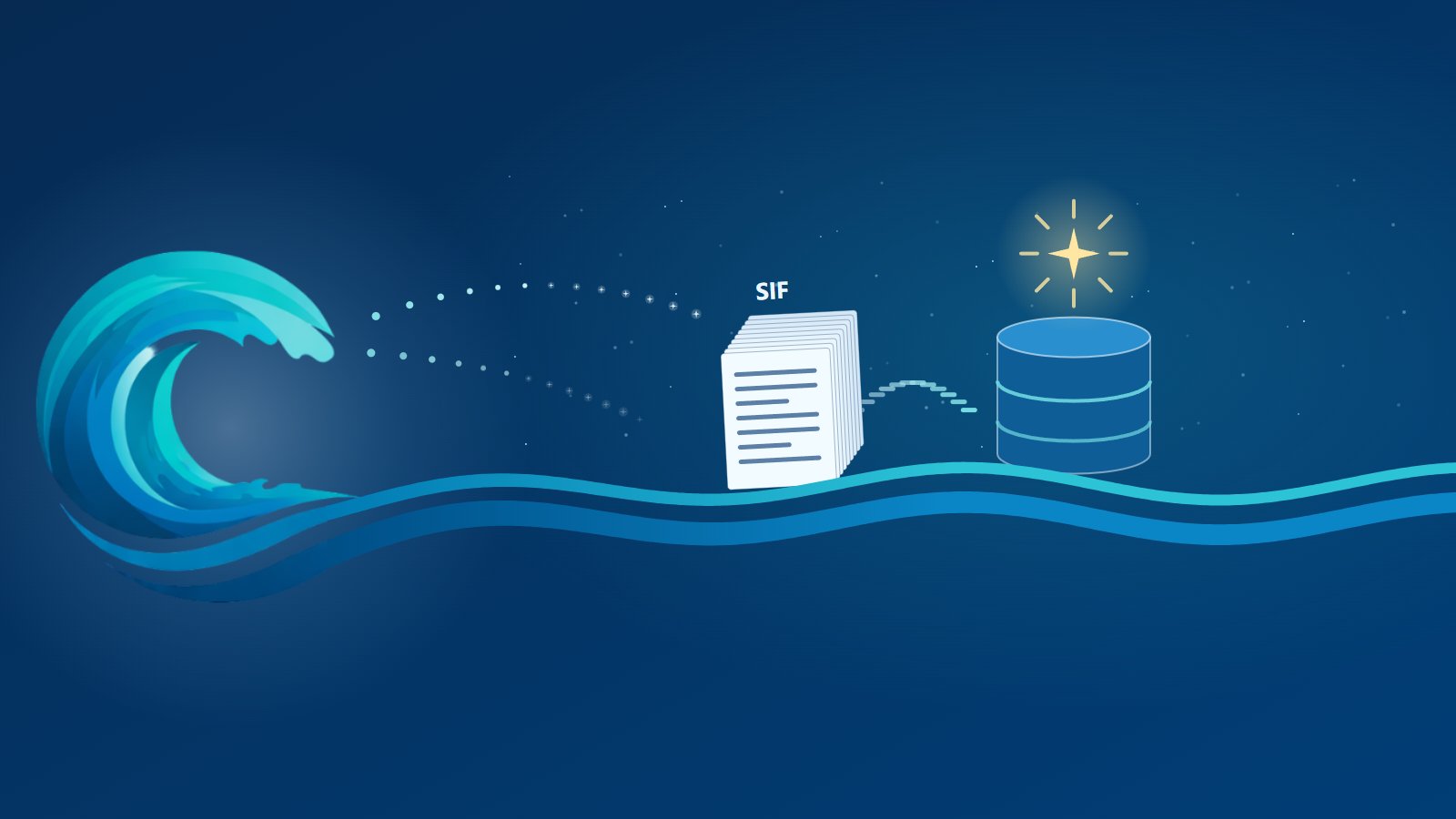
We grappled with the AI tools and the size of that document. But in the end we had a repository holding a Visual Studio database project, built from the SQL Server Data Tools project template, complete with every SIF table and column description.
The descriptions turned on the AI
It’s the table and column descriptions that turned on the AI’s capabilities.
Each description lives inside the database itself, beside the table or column it explains: what it is, and where it sits in the SIF specification. A person reads it in SQL Server Management Studio. An AI tool reads it with a query. Nobody has to go looking through a 227 MB PDF to learn what a column means.
Once the meaning travelled with the schema, the AI stopped guessing. It could tell what a student enrolment or a contact relationship was in SIF terms, and work with it correctly.
Over time (and not much time, with the rate of change on these tools) we settled on Claude Code.
The secret sauce
We found the secret sauce when we put the code repositories, the database repositories and our principle set all under the AI tool, together.
With the code, the SIF-modelled database and our standards in one place, the AI could see how the systems connect, what each piece of data means, and how we expect the work to be done. Our principles live in SystemsCatalog, where each repository is scored against them, so the same rules guide the people and the AI.
You can see the result in the SIF-HUB walkthrough, from publishing the hub as a package to serving every downstream system from one clean, SIF-modelled source.
If you’re weighing SIF for your district, or wondering how to make AI tools useful against your own data, I’d like to hear from you: info@celeritysw.com.